
Milad Tech
The Impact of Literature on Society
Oct 23 5 min read

No account?
Click “Sign In” to agree to Medium’s Terms of Service and acknowledge that Medium’s Privacy Policy applies to you.
The Impact of Literature on Society
Oct 23 5 min read
The Joys and Benefits of Swimming: Dive into a World of Wellness
Oct 23 4 min read

Swimming: A Dive into the Depths of Health, Joy, and Mastery
Sep 23 3 min read
Swimming: An Aquatic Journey of Health, Joy, and Competition
Sep 23 3 min read

asdasd Test Test TestTestTestTestTest Test Test TestTestTestTestTest Test Test TestTestTestTestTest
Oct 23 1 min read
Revolutionizing the World: A Journey Through Computer History
Sep 23 3 min read
Milad Tech
Literature has played a pivotal role in shaping societies, molding cultures, and influencing individual lives throughout history. The written word, in the form of books, has the remarkable power to ignite emotions, provoke thought, and drive change. From ancient manuscripts to modern novels, literature has transcended time and space, leaving an indelible mark on humanity.
At the heart of this impact lies the ability of literature to serve as a mirror, reflecting the complexities of the human experience. Books offer a window into different worlds, providing readers with insights into diverse perspectives, historical periods, and social issues. They allow us to explore the depths of human emotions, empathy, and the pursuit of universal truths.
One of the most significant contributions of literature to society is its role in education. Books have been instrumental in imparting knowledge, preserving cultural heritage, and nurturing critical thinking. Classic literary works like "To Kill a Mockingbird" by Harper Lee or "1984" by George Orwell have challenged societal norms and sparked important conversations about justice, freedom, and ethics.
Furthermore, literature has been a catalyst for social change. Iconic literary figures such as Charles Dickens, Jane Austen, and Mark Twain used their pen to address societal injustices, gender roles, and economic disparities. Their works have spurred movements for social reform and have encouraged readers to question the status quo.
In addition to social change, literature has the power to inspire personal growth and transformation. Self-help books, philosophical treatises, and memoirs often guide individuals on their journeys to self-discovery and self-improvement. The words of authors like Viktor Frankl in "Man's Search for Meaning" or Elizabeth Gilbert in "Eat, Pray, Love" have resonated deeply with readers seeking purpose and fulfillment.
The impact of literature extends beyond the written page. It influences various art forms, including cinema, theater, and visual arts. Many iconic books have been adapted into movies or plays, broadening their reach and introducing their messages to new audiences.
Moreover, literature fosters cultural exchange and international understanding. Works of fiction and non-fiction from different parts of the world allow us to explore diverse cultures, traditions, and histories. They promote empathy by helping readers connect with characters and situations far removed from their own lives.
In the digital age, the influence of literature continues to evolve. E-books and audiobooks have made literature more accessible to a global audience. Online book clubs and forums facilitate discussions and interactions among readers worldwide. Moreover, literature intersects with technology, raising questions about the future of storytelling and the role of artificial intelligence in creating literature.
In conclusion, literature's impact on society is profound and enduring. Books have the unique ability to educate, inspire, challenge, and unite. As long as there are stories to tell and words to read, literature will remain an influential force that shapes our understanding of the world and our place in it. Whether it's a classic novel or a contemporary bestseller, literature continues to leave an indomitable mark on the human experience.
The advent of the digital age has ushered in a profound transformation in the way people read and engage with written content. Traditional print books, once the primary medium for reading, now share the stage with a myriad of digital alternatives, including e-books, audiobooks, and online platforms. This evolution has brought about significant changes in reading habits and preferences, impacting both the consumption and production of literature.
One of the most noticeable shifts is the rise of e-books. Readers can now access an extensive library of titles from their devices, allowing for portability and convenience. E-books have democratized access to literature, making it accessible to a global audience with a few clicks. However, this convenience has raised questions about the future of physical bookstores and the potential loss of the sensory experience of flipping through paper pages.
Audiobooks, too, have gained popularity, offering a unique reading experience through narration. They cater to multitasking individuals who can now listen to books during their daily commute, workouts, or while doing household chores. The spoken word has brought new life to classic and contemporary literature, with skilled narrators adding depth to characters and narratives.
Online platforms and social media have revolutionized the way readers discover, discuss, and share books. Websites, forums, and social networks provide spaces for readers to connect with like-minded individuals, join book clubs, and access a plethora of reviews and recommendations. These platforms have turned reading into a communal activity, fostering a sense of belonging among book enthusiasts.
While the digital age has expanded reading options, it has also raised concerns about information overload and distractions. The constant stream of notifications, emails, and social media updates competes for readers' attention, making it challenging to immerse themselves in a book. Some argue that the digital era has shortened attention spans and reduced the depth of engagement with literature.
Additionally, the digital age has transformed the publishing industry. Self-publishing has become more accessible, allowing authors to share their work without the need for traditional publishing houses. This shift has led to an explosion of content, but it has also raised questions about quality control and the curation of literary works.
The rise of e-readers, such as the Kindle, Nook, and various tablet devices, has reshaped the design and format of books. Publishers now consider digital compatibility when designing book covers and layouts, aiming for visually appealing e-books that can adapt to various screen sizes.
Moreover, the digital age has introduced opportunities for interactive and multimedia storytelling. Enhanced e-books may include videos, animations, and hyperlinks, enriching the reading experience. However, this development has sparked debates about whether such additions enhance or detract from the essence of traditional storytelling.
In conclusion, the digital age has undoubtedly revolutionized reading habits and the literary landscape. The coexistence of print and digital formats offers readers unprecedented choices, while also challenging traditional norms. As we continue to adapt to these changes, it is essential to appreciate the unique advantages and challenges that both print and digital reading bring to the world of literature. The future of reading lies in striking a balance between embracing technological advancements and preserving the timeless magic of the written word.

5 min read . Oct 03
Milad Tech
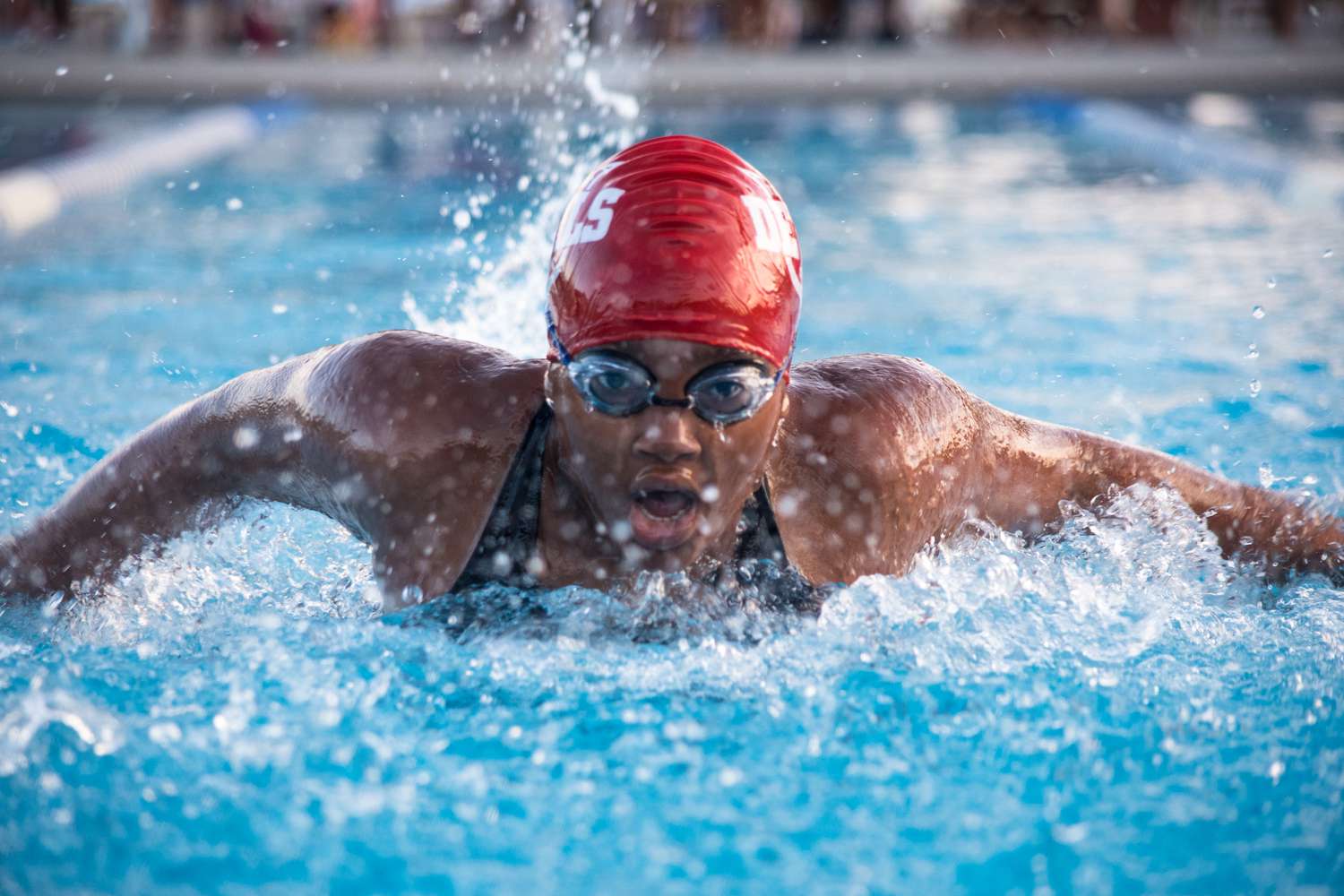
Swimming is not just a sport; it's a timeless, rejuvenating experience that offers countless physical and mental benefits. Whether you're a seasoned athlete or a casual water enthusiast, the allure of the water has a universal appeal. In this article, we'll delve into the joys and benefits of swimming, exploring why it's a fantastic activity for people of all ages.
1. A Complete Workout: Swimming engages nearly every major muscle group, making it a full-body workout that promotes strength, endurance, and flexibility. It's an excellent way to tone muscles without the harsh impact of land-based exercises.
2. Cardiovascular Health: Swimming elevates your heart rate, improving cardiovascular fitness. It enhances lung capacity and circulation, reducing the risk of heart disease and strokes.
3. Weight Management: Regular swimming helps burn calories and shed excess pounds. It's an effective way to maintain a healthy weight or support weight loss goals.
4. Low-Impact Exercise: Due to the buoyancy of water, swimming places minimal stress on joints, making it suitable for individuals with joint issues or injuries.
5. Stress Relief: The soothing nature of water has a calming effect on the mind. Swimming can reduce stress and anxiety, promoting mental well-being.
6. Improved Posture: Swimming strengthens the core muscles, which aids in maintaining good posture both in and out of the water.
7. Social Interaction: Joining a swimming class or group provides an opportunity for social interaction, fostering connections with others who share your passion.
8. Enhanced Flexibility: The range of motion required in swimming strokes enhances flexibility, helping to prevent injury and improve overall mobility.
9. Lifelong Skill: Swimming is a skill that can be enjoyed throughout life, from childhood to old age. It's an invaluable lifesaving skill as well.
10. Low Risk of Overheating: Unlike many land-based exercises, swimming keeps you cool and refreshed, making it a great choice for hot summer days.
11. Competitive Spirit: For those seeking a challenge, swimming offers a wide range of competitive opportunities, from local races to international competitions.
12. Rehabilitation: Swimming is often used in rehabilitation programs because it provides a gentle way to recover from injuries and surgeries.
13. Better Sleep: Regular swimming can improve the quality of your sleep, helping you feel more rested and rejuvenated.
14. Family Activity: Swimming is a family-friendly activity that can be enjoyed by people of all ages, making it an ideal bonding experience.
15. Sense of Achievement: Setting and achieving swimming goals can boost confidence and provide a sense of accomplishment.
16. Mental Clarity: The rhythmic nature of swimming promotes mental clarity and can be a meditative experience.
17. Improved Coordination: Swimming requires coordinated movements of the arms, legs, and breathing, which can enhance overall coordination.
18. Muscle Endurance: Swimming builds muscle endurance, which is essential for activities beyond the pool.
19. Boosted Metabolism: A regular swimming routine can increase metabolism, helping your body burn calories more efficiently.
20. Enhanced Lung Function: Swimming encourages deep, controlled breathing, which improves lung function and respiratory health.
21. Sunlight Exposure: Swimming outdoors exposes you to sunlight, providing your body with essential vitamin D.
22. Time Efficiency: Swimming allows you to achieve a comprehensive workout in a relatively short amount of time.
23. A Break from Screens: Swimming provides a screen-free escape, allowing you to disconnect and unwind.
24. Body Composition: Swimming helps to sculpt a lean and toned physique.
25. Independence: Once you've mastered swimming, you can enjoy it independently or with others.
26. Creative Expression: The water's buoyancy encourages creative movement and self-expression.
27. Enhanced Circulation: Swimming promotes healthy blood circulation throughout the body.
28. Alleviating Allergies: Chlorine in pools can help reduce the impact of allergies and respiratory issues.
29. A Gateway to Water Sports: Proficiency in swimming can open doors to various water sports like snorkeling, scuba diving, and water polo.
30. Mental Resilience: Pushing yourself in the water builds mental strength and resilience.
31. An Immersive Experience: Swimming provides a sensory-rich experience, from the feel of the water to the sound of your strokes.
32. Joint Health: Swimming supports joint health by promoting flexibility and reducing stiffness.
33. Weightless Feeling: The sensation of weightlessness in the water can be deeply relaxing.
34. Improved Focus: Concentrating on technique and form can enhance mental focus.
35. Muscle Memory: Repetition in swimming strokes builds muscle memory for efficient movements.
36. Balance Enhancement: Swimming helps develop balance and coordination skills.
37. Aesthetic Benefits: Swimming can contribute to healthy, glowing skin and hair.
38. A Sanctuary: The pool can be a peaceful sanctuary, offering an escape from the hustle and bustle of daily life.
39. An Inclusive Sport: Swimming is an inclusive sport that accommodates various abilities and needs.
40. Brain Boost: The increased oxygen flow to the brain during swimming can boost cognitive function.
41. Inner Calm: The solitude of swimming can provide a sense of inner calm and tranquility.
42. Improved Digestion: Physical activity, including swimming, can aid in digestion.
43. Exploring Nature: Outdoor swimming allows you to connect with natural bodies of water and marine life.
44. A Lifelong Hobby: Many individuals continue to swim well into their golden years, enjoying it as a lifelong hobby
4 min read . Oct 03
amir khan
Swimming, often regarded as the most versatile of physical activities, is a water-bound journey that transcends mere exercise. It is an art, a science, and a source of profound well-being that has captivated humans for centuries. Whether gliding gracefully through a crystal-clear pool, conquering the untamed waves of the open sea, or diving into the world of competitive swimming, this aquatic pursuit offers a spectrum of experiences that encompass physical fitness, mental rejuvenation, and the pursuit of mastery. In this comprehensive exploration, we plunge into the vast ocean of swimming, delving deep into its rich history, its multifaceted dimensions, and its enduring impact on individuals and societies around the globe.
Historical Beginnings: Swimming's origins date back to ancient civilizations, with evidence found in Egyptian murals and Greek texts. Early societies recognized the value of swimming for survival, recreation, and rites of passage.
A Lifesaving Skill: Beyond leisure, swimming is a vital life skill, equipping individuals with the ability to navigate and survive in aquatic environments. Swimming lessons and water safety programs are essential for preventing drowning incidents.
Health and Fitness: Swimming is celebrated for its holistic health benefits. It engages the entire body, offering a low-impact, high-reward workout that enhances cardiovascular endurance, muscular strength, flexibility, and lung capacity.
Mental Wellness: The rhythmic motion and weightlessness of swimming provide a sanctuary for mental well-being. It has been proven to reduce stress, anxiety, and depression, offering solace and mental clarity.
A Competitive Stage: Competitive swimming showcases the pinnacle of human aquatic achievement. Legendary swimmers like Michael Phelps and Katie Ledecky have captivated global audiences with their unparalleled speed and endurance.
Open Water Adventures: Adventurous souls seek the open water's challenges, from channel crossings to marathon swims, pushing the boundaries of physical and mental endurance while exploring the world's aquatic wonders.
Community and Camaraderie: Swim clubs, teams, and events foster bonds of friendship and support. They offer a sense of belonging, teamwork, and mentorship, nurturing a lifelong love for swimming.
Inclusivity and Adaptation: Swimming is an inclusive activity, accommodating people of all ages, abilities, and backgrounds. Adaptive swimming programs empower individuals with disabilities, allowing them to savor the joy of the water.
Olympic Legacy: Swimming has been a cornerstone of the Olympic Games since their inception. Iconic moments and record-breaking feats in the pool inspire future generations of swimmers.
Swimming and Technology: Innovations in swimwear, training equipment, and performance analysis have revolutionized the sport. Swimmers now benefit from advanced technology that aids in training and competition.
Preserving Natural Waters: Environmental consciousness is vital in swimming. Advocates strive to protect and conserve natural waters, ensuring a sustainable future for the sport and aquatic ecosystems.
In conclusion, swimming is a journey that plunges individuals into the depths of health, joy, and mastery. It is an ever-evolving exploration of the human connection to water, offering a myriad of experiences, from peaceful solitude to competitive excellence. Across cultures and generations, swimming remains an enduring source of physical vitality, mental tranquility, and sheer aquatic wonder, beckoning all to immerse themselves in its refreshing embrace
3 min read . Sep 30
amir khan
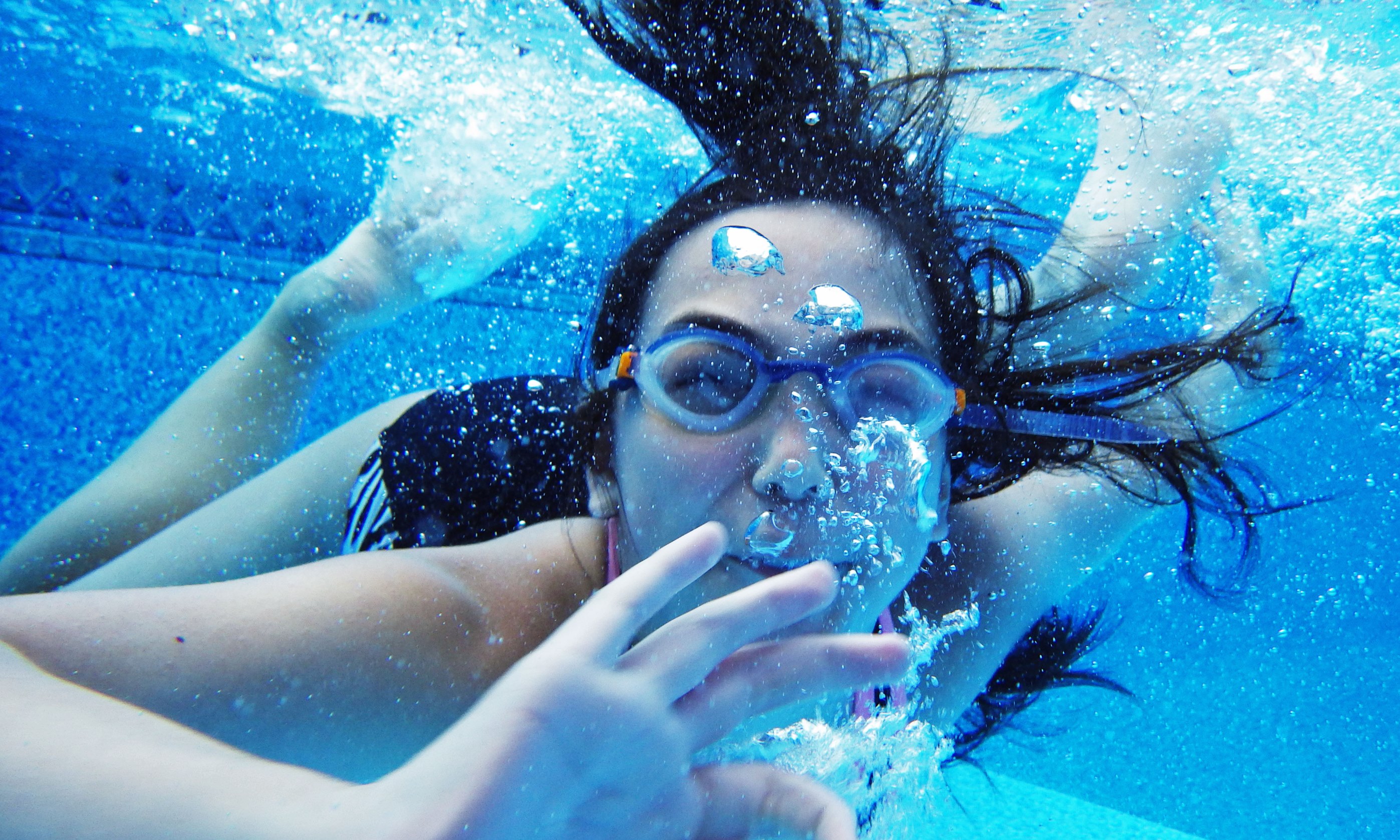
Swimming, an activity as ancient as human civilization itself, is much more than a mere sport or pastime; it is an aquatic journey that transcends time and culture. This aquatic pursuit, whether in the serene waters of a crystal-clear lake or the competitive lanes of an Olympic-sized pool, embodies the essence of physical well-being, mental refreshment, and the thrill of competition. In this exploration, we delve deep into the world of swimming, uncovering its rich history, its multifaceted dimensions, and its enduring impact on individuals and communities worldwide.
Historical Beginnings: The origins of swimming can be traced back thousands of years, with evidence of swimmers found in ancient Egyptian murals and Greek mythology. Early civilizations recognized the importance of water-based activities for survival, recreation, and ritualistic purposes.
A Life-Saving Skill: Beyond the joy of swimming, the ability to swim is a vital life skill that can prevent drowning incidents. Swimming lessons and water safety programs teach individuals of all ages how to navigate aquatic environments safely.
Health and Fitness: Swimming is renowned for its health benefits. It engages virtually all muscle groups, offering a full-body workout that improves cardiovascular fitness, strength, and endurance. The low-impact nature of swimming makes it accessible to people of varying fitness levels, including those with joint issues.
Mental Wellness: The calming rhythm of strokes and the sensation of floating in water provide mental respite. Swimming is known to reduce stress, anxiety, and depression, promoting mental well-being and relaxation.
A Competitive Spirit: Competitive swimming has produced legendary athletes such as Michael Phelps and Katie Ledecky, who have captivated global audiences with their incredible feats in the pool. Swimming competitions, from local meets to the grand stage of the Olympics, showcase the pinnacle of human achievement in aquatic sports.
Open Water Adventures: For the adventurous, open water swimming offers unique challenges. Marathon swims, channel crossings, and triathlons test swimmers' physical and mental endurance as they conquer vast stretches of open water.
The Aquatic World: Swimming opens doors to a realm of underwater exploration. Snorkeling and scuba diving allow enthusiasts to discover the mesmerizing beauty of marine life and ecosystems, adding a layer of wonder to the sport.
Community and Camaraderie: Swim clubs, teams, and events foster a sense of belonging and camaraderie. From masters swimmers to young beginners, the swimming community encourages mutual support, teamwork, and lasting friendships.
Inclusivity and Adaptation: Swimming is inclusive, accommodating individuals of all ages, abilities, and backgrounds. Adaptive swimming programs empower people with disabilities to experience the joy and benefits of being in the water.
Olympic Legacy: The Olympic Games have been a stage for swimming excellence, featuring iconic moments and records. Swimming continues to be a cornerstone of the Olympics, inspiring future generations of athletes.
Swimming and Technology: Technological advancements in swimwear and training equipment have revolutionized the sport. Innovative swimwear materials and underwater cameras have enhanced performance and analysis.
Preserving Natural Waters: Swimmers and organizations play a vital role in advocating for clean and sustainable aquatic environments. The protection of natural waters is paramount to ensuring the future of swimming.
In conclusion, swimming is an aquatic journey that encompasses health, joy, and competition. It is a testament to the profound connection between humans and water, reflecting our innate desire to explore, excel, and find solace in the depths. From the serene moments of solitary swims to the electrifying atmosphere of competitive events, swimming remains an enduring and cherished part of our shared aquatic heritage.

3 min read . Sep 30
Rap Lyrical Videos
Test Test TestTestTestTestTest Test Test TestTestTestTestTest Test Test TestTestTestTestTest Test Test TestTestTestTestTest Test Test TestTestTestTestTest Test Test TestTestTestTestTest Test Test TestTestTestTestTest Test Test TestTestTestTestTest Test Test TestTestTestTestTest Test Test TestTestTestTestTest

1 min read . Oct 25